High-Intent Leads: The Difference Between Browsers and Buyers
Stop Guessing — Start Understanding Demand
Most service businesses think they need more visibility.
More posts.
More ads.
More “brand awareness.”
But that’s not the real problem.
The real problem is this:
You’re putting your message in front of people who aren’t ready to act.
And then wondering why nothing converts.
There Are Two Types of People Online
Let’s simplify this.
1. Passive Attention (Low Intent)
This is where most businesses spend their time:
- Social media scrolling
- Display ads
- Random content marketing
These people are:
- Distracted
- Not actively looking
- Not ready to buy
You might get engagement.
You might get clicks.
But most of the time—you won’t get customers.
2. Active Demand (High Intent)
This is where real money is made.
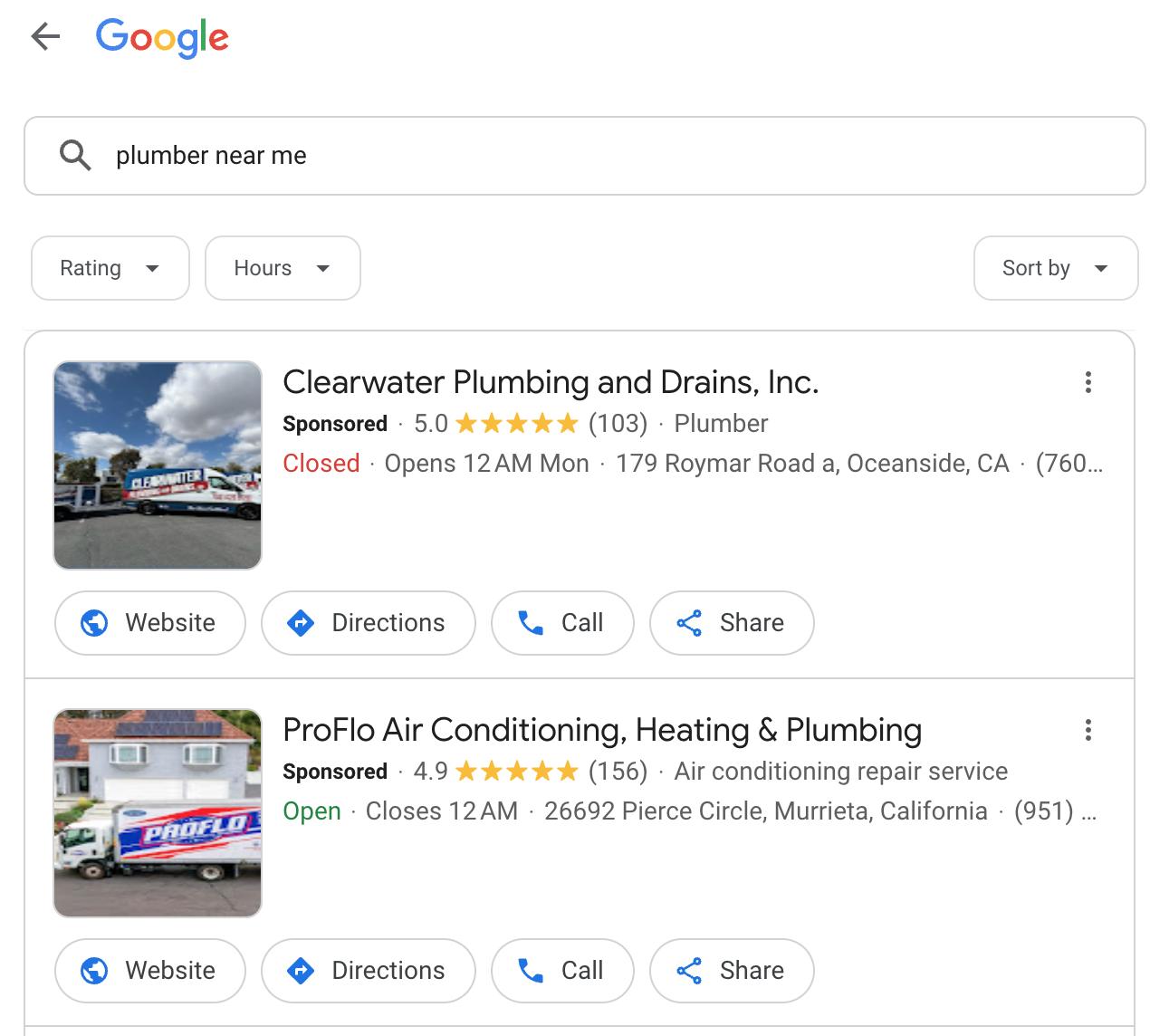
These are people searching things like:
- “Plumber near me”
- “AC repair Tampa”
- “Emergency electrician”
They’re not browsing.
They have a problem—and they want it solved now.
That changes everything.
Why High-Intent Leads Convert Better
This is not theory. It’s behavior.
When someone searches for a service:
- They already know what they need
- They’re comparing options
- They’re ready to act
You’re not convincing them to want the service.
You’re positioning yourself as the best option.
That’s a completely different game.
The Cost vs. Value Mistake
A lot of business owners say:
“Google Ads are too expensive.”
That’s not accurate.
They’re targeted.
You’re paying to show up in front of someone at the exact moment they need your service.
Compare that to social media:
- You interrupt someone
- Hope they care
- Hope they remember
- Hope they come back later
That’s a long chain with a lot of failure points.
Search removes that friction.
Where Most Businesses Get It Wrong
Even when businesses try to generate leads, they usually fail for a few reasons:
1. Targeting Too Broad
Instead of:
→ “Emergency AC repair near me”
They go after:
→ “air conditioning”
That brings in the wrong traffic.
2. No Tracking
They don’t know:
- Which campaigns generate calls
- Cost per lead
- Which leads turn into revenue
Without that, there’s no control.
3. Slow or No Follow-Up
Leads come in—and get wasted:
- Missed calls
- Delayed responses
- No follow-up
Speed is often the difference between winning and losing the job.
4. No Optimization
Campaigns are launched and left alone.
No testing.
No refinement.
No scaling.
That’s not a system.
What a Real System Looks Like
If you want consistency, this is what actually needs to happen:
1. Focus on High-Intent Searches
Prioritize:
- “Near me” keywords
- Service-specific searches
- Urgent problem-based queries
That’s where the best leads come from.
2. Track Everything
You should know:
- Where leads come from
- What they cost
- What produces revenue
No guessing.
3. Respond Fast
High-intent leads don’t wait.
If you’re not answering or following up quickly, someone else will.
4. Optimize Continuously
- Cut what doesn’t work
- Scale what does
- Improve performance over time
That’s how predictability is built.
Simple Numbers That Change Everything
Let’s break it down:
- Cost per lead: $50
- 20 leads = $1,000
- Close rate: 25% → 5 customers
If your average job is $800:
→ $4,000 revenue from $1,000 spent
That’s not guesswork.
That’s a system.
Bottom Line
Not all leads are equal.
Some are curious.
Some are ready.
If you want consistent revenue, focus on the second group.
Everything else is secondary.
If you want to see how this would look for your business specifically:
Book Your 20-Minute Strategy Call
We’ll break down:
- What people are already searching in your area
- Where you’re currently missing opportunities
- What it would take to build a predictable lead flow
No pressure. Just clarity.